
 English
 Español
Jing Shi
Jing Shi
Jing Shi
Jing Shi
Jing Shi
Jing Shi
Jing Shi
Jing Shi
Jing Shi
Different hydraulic hose assemblies rarely use exactly the same fitting size. This raises a practical question for workshops, service teams, and equipment users: can one high pressure hose crimping tool handle several fitting sizes without changing to another machine?
The short answer is yes, provided the crimper has a suitable die system and enough crimping range. Machine versatility comes mainly from interchangeable dies, adjustable settings, and compatibility with the hose-and-fitting combination. A single unit may cover multiple hose sizes, but its usable range has clear technical limits.
Die Range Defines the Working Scope
Crimping dies determine how far the machine can compress the fitting ferrule. Different die sets correspond to different finished diameters, so a wider die range gives the high pressure hose crimping tool greater flexibility.
- Compact systems may cover ranges around 1/4 to 1 inch hose applications.
- Larger hydraulic machines can cover several intermediate sizes and may reach 2-inch hose applications.
- Some industrial machines use more than a dozen interchangeable die sets.
- Typical die ranges can span approximately 14–69 mm, while larger systems may extend beyond this range.
One commercial hydraulic crimper specification, for example, lists a 10–87 mm crimping range and multiple die sets. Such a configuration allows several hose and fitting dimensions to be processed on the same machine.
Hose ID Does Not Tell the Whole Story
Nominal hose size provides useful information, but it does not determine the final die size by itself. The fitting ferrule diameter, fitting construction, hose reinforcement, and target crimp diameter also matter.
Consider a 1/2-inch hose. Different fitting designs can require different finished crimp diameters even though the hose ID remains unchanged. Published specifications show that identical hose sizes may have different target diameters according to the fitting series.
That distinction is important for any high pressure hose crimping tool . Matching the die to the hose ID alone may produce an incorrect compression level.
Fitting Design Changes the Crimp Requirement
Fittings can have different ferrule shapes, shell dimensions, and crimp zones. These physical differences influence the amount of radial compression required.
- One-piece fittings: Require the die profile and finished diameter specified for that fitting design.
- Two-piece assemblies: May have different ferrule dimensions despite using the same nominal hose size.
- Different ferrule profiles: Can require dedicated tooling or different crimp settings.
- Special hose constructions: May require dedicated dies or application-specific specifications.
Published crimping data should therefore be treated as the reference point for each hose-and-fitting combination. Technical guidance also recommends checking the finished crimp diameter with calipers rather than relying solely on the nominal die marking.
How Much Flexibility Does One Machine Really Offer?
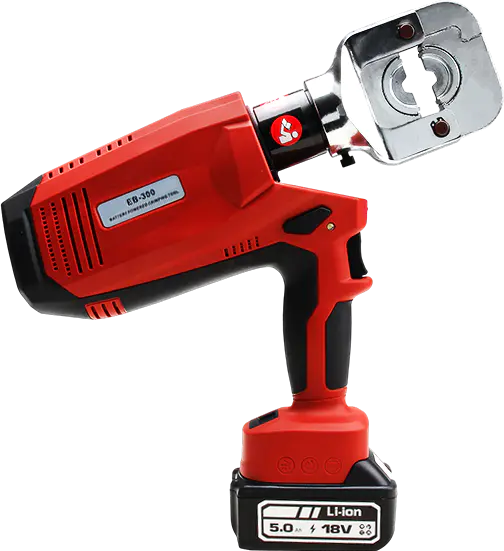
The answer depends on the machine configuration. A high pressure hose crimping tool equipped with multiple die sets can support a broad selection of hose assemblies, while a compact unit with limited tooling may handle only a narrower range.
For example, a machine supporting die sizes from roughly 14 mm through 69 mm can accommodate many common hydraulic hose applications. Additional dies can expand the usable range, provided the machine body and tooling interface support them.
Die compatibility also matters. Two dies with similar closing diameters may still use different mounting systems or machine interfaces. The die must physically match the crimper as well as the required crimp diameter.
What Should Users Check Before Crimping?
- Hose nominal size: Confirm the hose ID and construction.
- Fitting and ferrule dimensions: Check the actual crimp zone rather than relying on hose size alone.
- Required crimp diameter: Follow the published value for the specific hose-and-fitting combination.
- Die range: Make sure the target diameter falls within the permitted range.
- Machine interface: Confirm that the selected die set fits the crimper correctly.
One Crimper, Multiple Applications
One machine can handle different fitting sizes, but versatility comes from the complete tooling system rather than the machine body alone. Interchangeable dies, adjustable crimp settings, and accurate diameter verification allow a single high pressure hose crimping tool to support multiple hose assembly requirements.
Users working with several fitting sizes should therefore evaluate the complete crimping range before purchase. A machine with suitable die coverage can serve varied hydraulic applications, while the correct die and published crimp specification remain essential for every individual assembly.